Pep Guardiola: Redefining Football’s Modern Era in Bangladesh
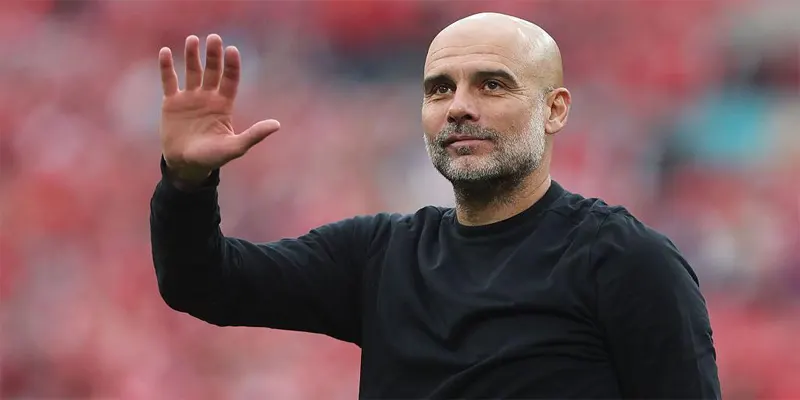
Pep Guardiola is more than a successful manager—he is a true architect of modern football. From Barcelona to Manchester City, his tactical brilliance has redefined possession, pressing, and fluid play. Studied and imitated worldwide, his philosophy blends artistry with precision, inspiring managers and players across continents. Much like tk999, Guardiola has become a global benchmark for excellence, setting new standards that transcend trophies. His legacy is not just in victories but in shaping the very blueprint of the beautiful game, proving that innovation and vision can change football forever.
Analyzing Guardiola’s Title-Winning Strategies at Manchester City
At Manchester City, Pep Guardiola has employed a nuanced blend of strategic discipline and innovative tactics to secure multiple Premier League titles. His approach hinges on controlling the game tempo through possession, complemented by intense pressing to regain ball possession quickly. Guardiola’s teams often utilize positional rotations, creating overloads and nullifying opponents’ defensive setups. A key element has been his ability to adapt his tactical plan depending on the opponent—sometimes emphasizing width, others focusing on compact central pressure—showing tactical flexibility that maximizes player strengths.
This tactical acuity is complemented by his focus on player development and squad management. Guardiola meticulously selects systems that exploit individual talents while maintaining overall team balance. His reliance on intelligent pressing triggers, positional interchanges, and fluid attacking patterns creates a dynamic, unpredictable style of play that overwhelms opponents. By combining tactical discipline with creative freedom, Guardiola has not only amassed titles but also elevated Manchester City’s playing identity to one of the most exciting and effective in world football.
Pep Guardiola and Player Development: Nurturing Talent to its Full Potential
A distinctive feature of Pep Guardiola’s management is his ability to develop players, transforming raw talent into world-class performers through disciplined training, tactical education, and psychological guidance. His emphasis on understanding tactical roles helps players see the game from a broader perspective, fostering versatility. Guardiola’s coaching process involves detailed positional work and scenario-based sessions, pushing players to think proactively and make strategic decisions under pressure, which drastically enhances their long-term development.
Beyond technical and tactical growth, Guardiola nurtures a team culture rooted in collective accountability and continuous improvement. He believes that developing a player’s mindset is as crucial as technical skills, instilling confidence and resilience. His knack for unlocking potential has seen him transform underperformers into key contributors and young talents into established stars. This individual-focused approach elevates team performance and sustains success over time, making Guardiola not just a tactician but a developer of football talent—a significant reason for his enduring influence on modern football.
The Guardiola Effect: How He Transforms Clubs and Leagues
Pep Guardiola’s arrival at a club often triggers a profound transformation, both in playing style and organizational culture. His tactical philosophy, emphasizing possession, pressing, and positional discipline, forces clubs to adapt dramatically. This “Guardiola effect” often elevates the standard of competition within a league, encouraging rivals to innovate and become more tactically sophisticated. This ripple effect has been evident in leagues like La Liga, Bundesliga, and Premier League, where his influence has catalyzed strategic shifts across multiple clubs.
Beyond tactical impact, Guardiola’s managerial approach fosters a winning mentality, professionalism, and a culture of continuous Improvement. His success at Barcelona, Bayern Munich, and Manchester City has also demonstrated that strategic vision, combined with data analysis and player-centric management, can transform clubs into dominant forces. His ability to reshape club identities while maintaining competitive excellence exemplifies how a visionary manager can influence not just tactics but the overall fabric of football institutions, setting new standards for success and innovation.
Guardiola’s Biggest Challenges: Adapting to New Leagues and Overcoming Setbacks
Despite his sweeping successes, Pep Guardiola has faced significant challenges when adapting to new leagues and tackling setbacks. Each league has its unique rhythm, physical demands, and tactical norms; translating his ideas requires a nuanced understanding and patience. For example, Guardiola’s initial seasons at Manchester City involved supplementary adaptations to match the physicality of the Premier League, alongside overcoming moments of tactical inconsistency. His resilience and willingness to refine his methods have been key in overcoming these hurdles.
Setbacks such as defeats or early exits from tournaments test a coach’s tactical and psychological resilience. Guardiola’s response—analyzing faults, adjusting tactics, and fostering mental toughness—has been critical in his continued growth. His ability to learn from failures and persist, rather than abandon principles, exemplifies leadership and adaptability. These challenges underscore that tactical evolution is an ongoing process, and Guardiola’s capacity to overcome obstacles affirms his status as one of the most strategic minds in football history.
Beyond Tiki-Taka: Exploring Guardiola’s Evolving Tactical Spectrum
While Pep Guardiola gained fame for pioneering tiki-taka, his tactical arsenal extends far beyond this iconic style. Over recent years, he has integrated diverse tactical elements, including direct progression, rapid counter-pressing, overload-based attacking, and positional flexibility. His teams now exhibit a broader spectrum—balancing possession with verticality, and rigidity with fluidity—reflecting a strategic maturity that transcends his Barcelona roots. This evolution illustrates his capacity to innovate within his ideological framework, responding to emerging trends and opponent strategies.
Guardiola’s tactical spectrum continues to expand as he experiments with different formations, such as 3-2-4-1 or asymmetric setups, using positional rotations to confuse opponents. He emphasizes the importance of spatial awareness and adaptive pressing, allowing his teams to switch seamlessly between phases of play. His willingness to explore new tactical paradigms makes his teams unpredictable and difficult to contain, helping him maintain a competitive edge. This ongoing evolution is a testament to Pep Guardiola’s relentless pursuit of tactical excellence and adaptability, ensuring his influence continues to shape the future of football.
Guardiola’s Legacy: His Enduring Influence on Football Management
Pep Guardiola’s legacy extends beyond his immediate trophy haul; his innovative approach to tactics, player development, and club management fundamentally altered modern football. His commitment to high possession, intense pressing, and intelligent positional play has become a blueprint for success that many aspiring coaches adopt globally. His emphasis on continuous innovation and tactical flexibility remains a model for coaching excellence, inspiring a new generation of managers to think beyond traditional formations and strategies.
Furthermore, his success demonstrates that strategic planning, attention to detail, and understanding of football’s cerebral aspects can lead to sustained dominance. His influence has inspired teams to embrace more analytical and data-driven approaches, fostering a more thoughtful and tactical game at all levels. Pep Guardiola’s enduring legacy rests in his ability to innovate, adapt, and elevate football management—contributions that will resonate long into the future, shaping the sport’s evolution for generations to come.
Life After Guardiola: The Future of Manchester City’s Tactical Identity
As Pep Guardiola embarks on potential future ventures or possibly steps away from Manchester City, questions about the club’s tactical identity and philosophical core emerge. Guardiola has embedded a distinctive style marked by possession, creative attacking, and tactical fluidity; preserving this identity will require a managerial philosophy aligned with these principles. The club will need a coach capable of maintaining Guardiola’s tactical standards while also adapting to new challenges and evolving football trends, ensuring that the club remains competitive and true to its philosophical roots.
Looking ahead, Manchester City may leverage Guardiola’s blueprint, fostering a new cadre of coaches inspired by his principles or adopting data-driven, tactically flexible strategies rooted in his teachings. The club’s future victory prospects depend on balancing continuity with innovation—building upon Guardiola’s foundations but also allowing fresh perspectives to evolve. The ongoing development of City’s playing style will likely continue to influence modern tactical thinking, and Guardiola’s legacy will shape the club’s trajectory long after his departure, anchoring it as a model of tactical sophistication and strategic resilience.
Conclusion
In summary, Pep Guardiola has profoundly influenced modern football through his tactical evolution, innovative principles, and ability to adapt across different leagues and contexts. His journey from pioneering tiki-taka to embracing a broad tactical spectrum embodies a relentless pursuit of excellence and intellectual mastery of the game. His success in developing players, transforming clubs, and setting new standards in football management highlights his enduring legacy. As he continues to innovate and inspire, Guardiola’s impact will remain an guiding light for future generations, shaping the sport’s tactical and cultural landscape for years to come
About the Author